360’s Favorite Cocktail Hour Recipes


This month, we’re shaking things up for something a little more festive—our team’s favorite holiday cocktail hour treats. From family traditions to new seasonal favorites, we’re excited to share the recipes and stories that bring us joy this time of year. We hope you’ll try a few, savor the flavors, and let us know if any make it into your own holiday lineup!

Click to view the recipe book:


We look forward to working with you in 2026!

Winterizing Heat Pump HVAC Systems: A Smart Guide for Commercial Buildings


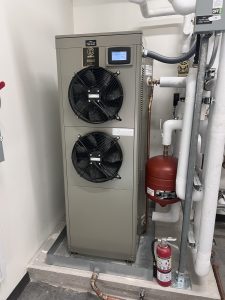
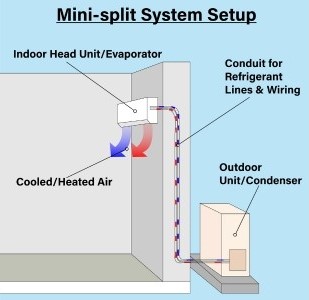
As winter approaches, building owners and commercial service contractors must ensure that heat pump HVAC systems are ready to perform efficiently in colder conditions. Unlike traditional furnaces, heat pumps operate by transferring heat rather than generating it, making them highly efficient—but also sensitive to outdoor ambient conditions. Proper winter preparation not only protects your investment but also ensures occupant comfort and energy savings.

Understand Your System’s Winter Behavior

Heat pumps work by extracting heat from the outside air—even in cold weather. However, their efficiency can drop as temperatures fall, especially in older or improperly maintained systems. Cold climate heat pumps are designed to perform better in freezing conditions, but all systems benefit from seasonal maintenance.

Key Steps to Prepare Your Heat Pump for Winter

  1. Schedule a Professional Inspection
    Before the first frost, have a certified HVAC technician inspect the system. They’ll check refrigerant levels, electrical connections, defrost cycles, and thermostat calibration.
  2. Clean or Replace Air Filters
    Dirty filters restrict airflow, reducing efficiency and increasing wear. Replace filters monthly during peak heating season.
  3. Clear Outdoor Units
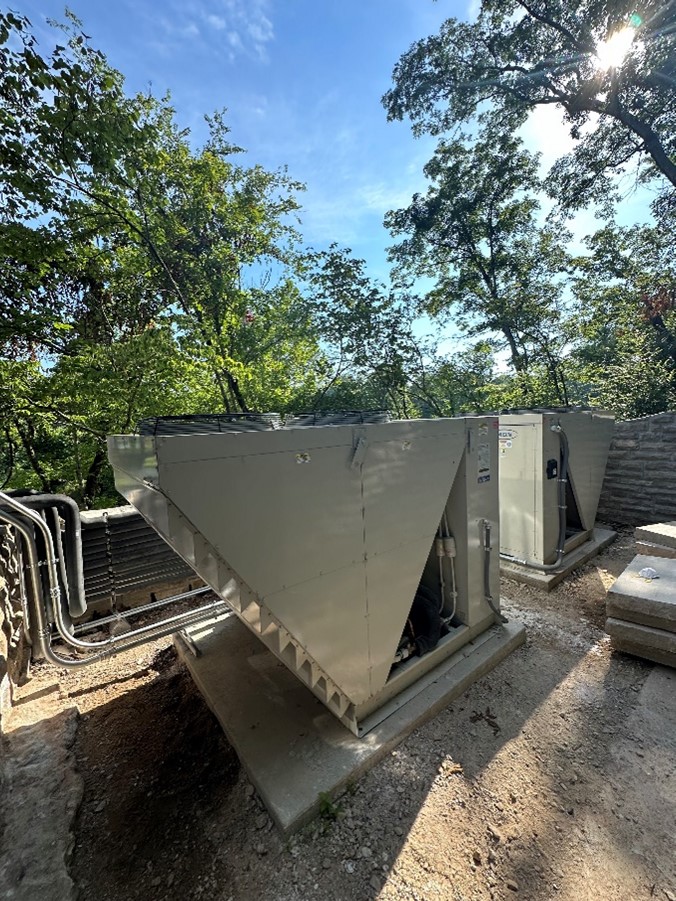
    Remove leaves, snow, and debris from around the outdoor unit. Ensure at least 2 feet of clearance for proper airflow and defrosting. If your units are not installed on stands to stay above snow line, be prepared to shovel out around them during periods of heavy snowfall!
  4. Check the Condensate Drain
    A clogged drain at the indoor unit coil can lead to water damage or ice buildup. Make sure it’s clear and draining properly. At the outdoor unit, be aware that moisture will also be released during defrost cycles, so you’ll want to ensure that drainage has somewhere to go that won’t damage the unit or any other building systems.
  5. Optimize Thermostat Settings
    Set thermostats to maintain consistent temperatures. Avoid frequent adjustments, which can trigger inefficient auxiliary heating. Remember, and inform your occupants, that turning the thermostat setpoint way up does not heat your space any faster, but it could set you up to waste energy overheating the space if you forget to turn it back down!
  6. Inspect Insulation and Sealing
    Heat loss through poorly insulated ducts or building envelopes forces the system to work harder. Seal leaks and upgrade insulation where needed.
  7. Enable Defrost Mode
    Heat pumps naturally accumulate frost in winter. Ensure the defrost cycle is functioning to prevent ice buildup that can damage the unit. Be aware as well that during the defrost cycle, the space will be without heat—typically for 10-15 minutes at most. If you have a critical space served by a heat pump, consider providing auxiliary heat to compensate during defrost cycles.
  8. Monitor Energy Bills
    Keep an eye on your electricity bills throughout the cold months, as a sudden jump in energy usage could be an indicator of an issue with your heat pump equipment. You can address issues quickly as they arise simply by understanding what your energy bill should look like and keeping track of it throughout the heating season.

Cold Climate Considerations

For buildings in colder regions, consider upgrading to a cold climate heat pump or adding supplemental heating. Dual-fuel systems, which combine a heat pump with a gas furnace, offer flexibility and efficiency. As noted above, make sure to include compensating auxiliary heat for defrost cycles if necessary, and keep the area around the outdoor unit clear of snow and debris to maximize unit performance and efficiency.

Long-Term Benefits

Winterizing your heat pump system reduces emergency repair risks, lowers energy bills, and extends equipment life. For engineers and contractors, specifying systems with winter readiness in mind—such as variable-speed compressors and smart thermostats—can enhance building performance and client satisfaction.

Ready to prepare your building’s heat pump system for winter? Our team can help you assess your equipment, identify vulnerabilities, and optimize performance. Contact us to schedule a consultation or discuss your project needs.

Leveling Up: Driving Growth, Leadership, and the Future of Our Firm


We recently had our Strategic Leadership Retreat and reflected on the past year. We identified that we’ve experienced meaningful growth—not in numbers, but in depth, capability, and direction. As our client base expands and our work continues to speak for itself, we’re reminded that real growth isn’t only about the bottom line — it’s about evolving.

A cornerstone of our progress has been the continued development of our leadership. We’ve invested in empowering current leaders while actively nurturing emerging ones. Strong leadership doesn’t happen by accident—it requires intention, mentorship, and space to grow. This mindset has helped us create a culture where leaders at every level can take initiative, drive results, and bring others along with them.

Looking forward, we’re focused on leveling up the entire firm. That means raising the bar on how we work, how we lead, and how we deliver. We’re refining systems, deepening expertise, and doubling down on collaboration. Growth is only meaningful if everyone rises with it—so we’re building an environment where people are challenged, supported, and inspired to reach their next level, too.

This next chapter isn’t just about doing more. It’s about doing the hard stuff better, together.


Denise M. Dihle, PE

President, Partner

Sustainability Meets a New Era of Learning: Back to School at DPS RASA


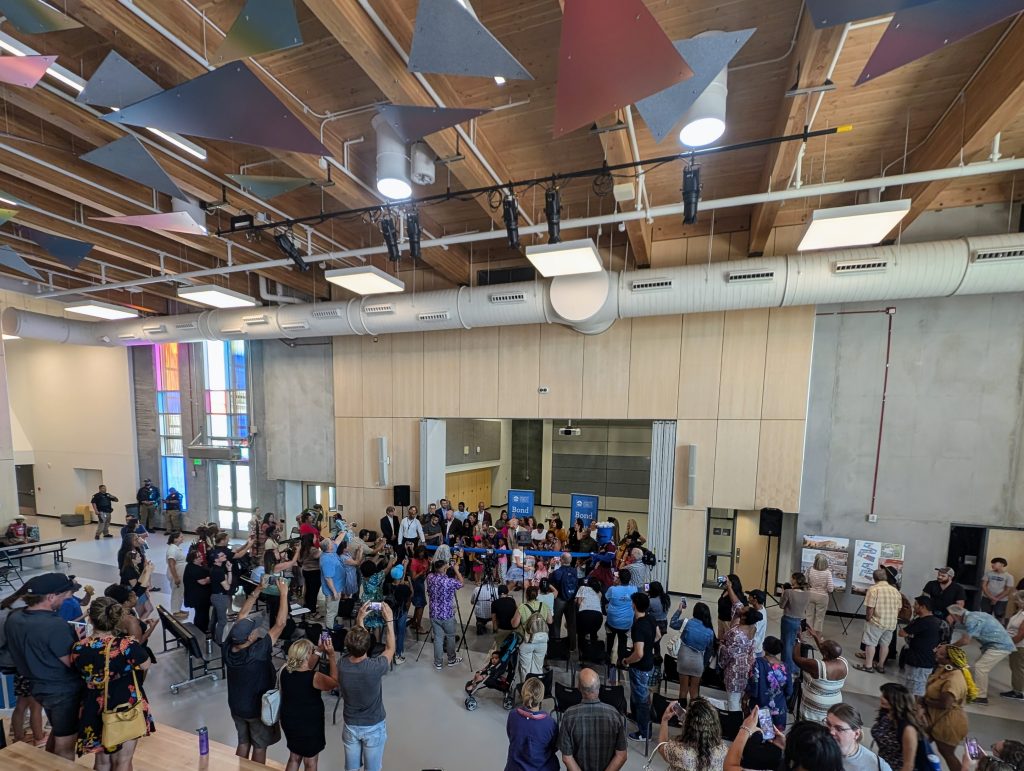
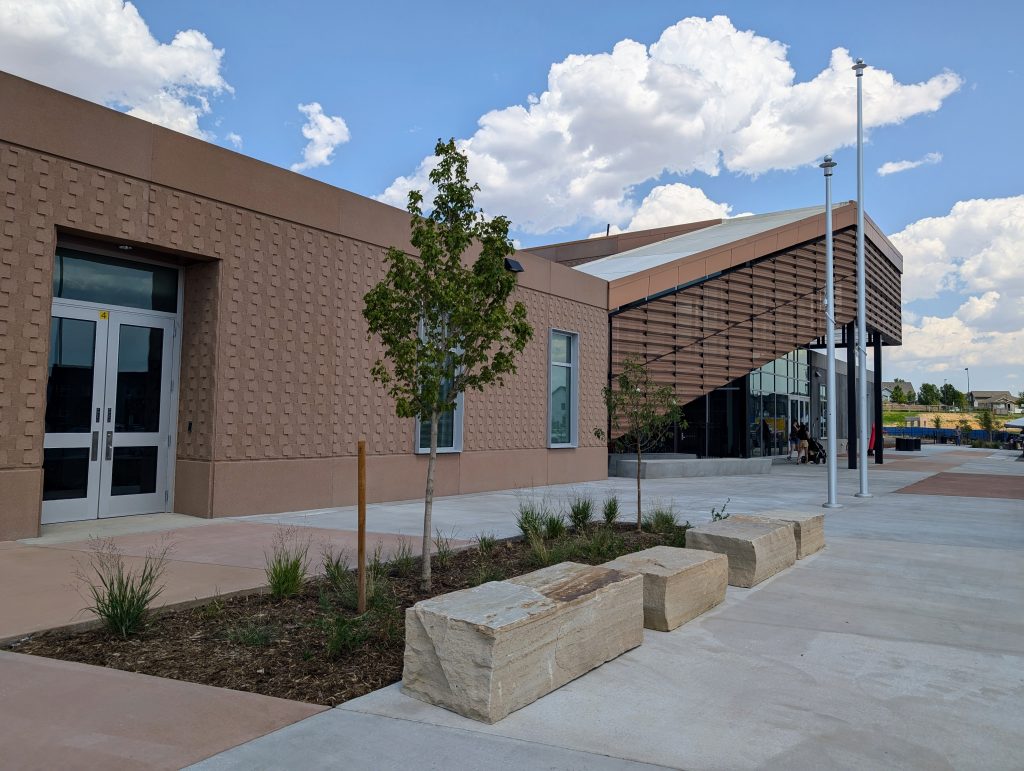
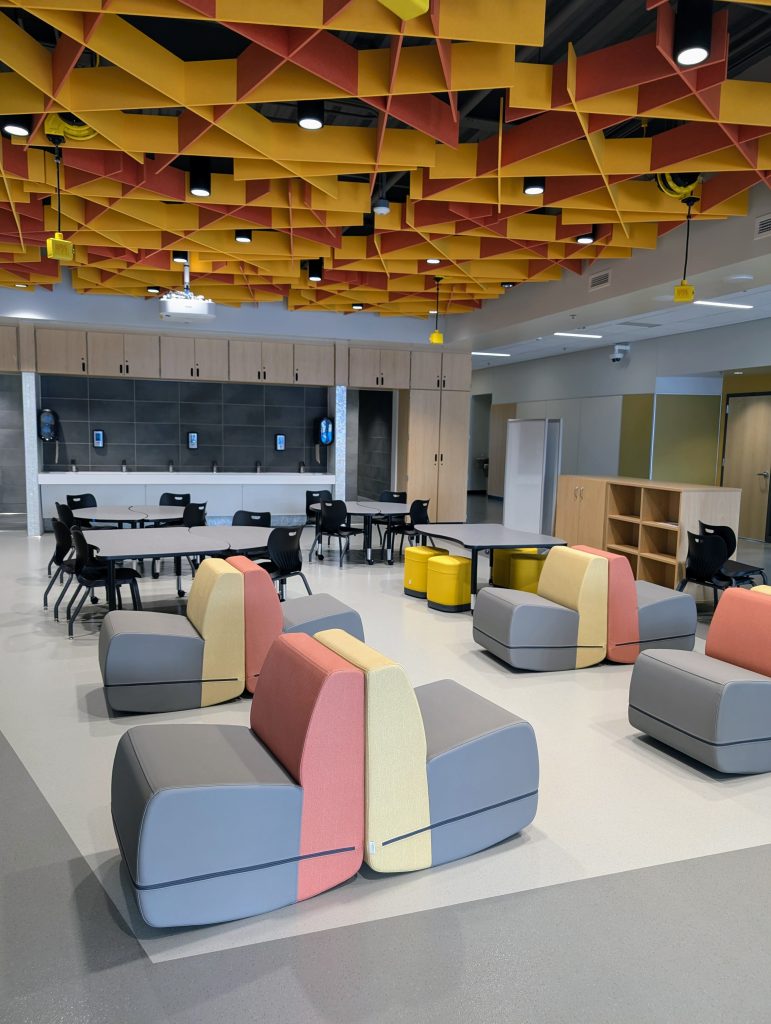
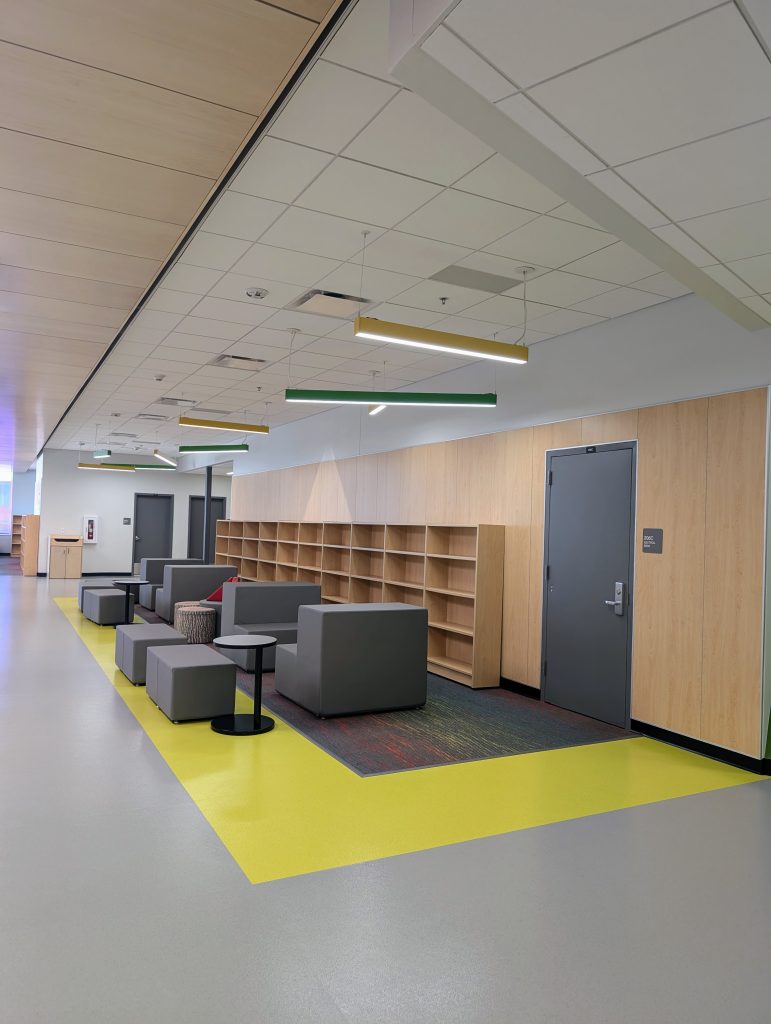
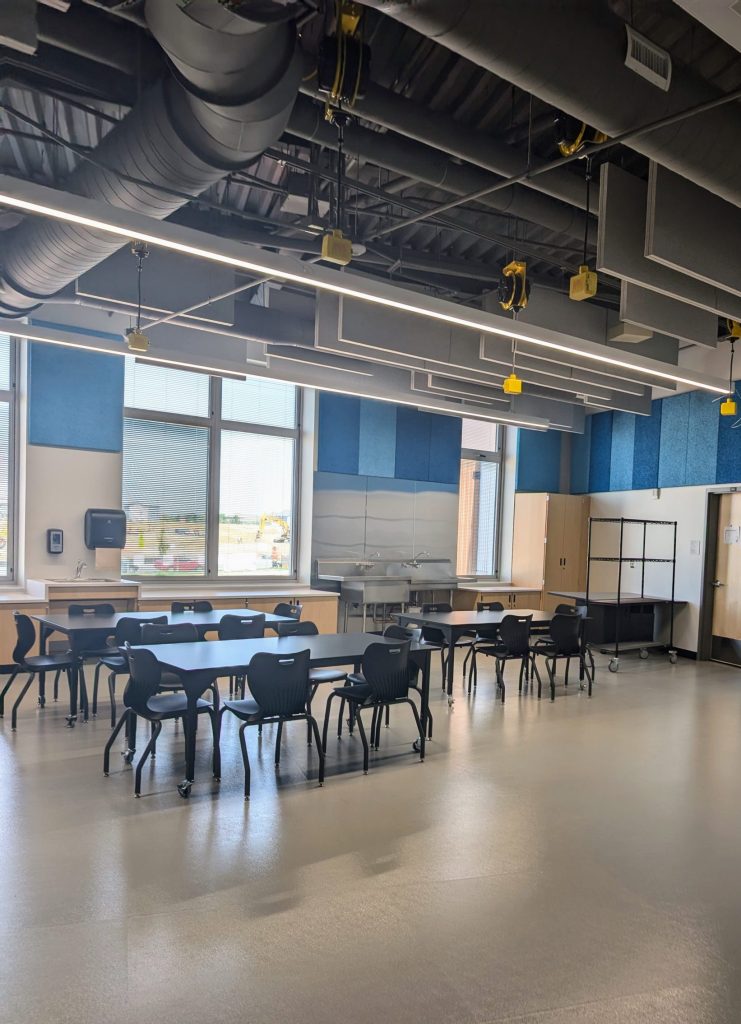
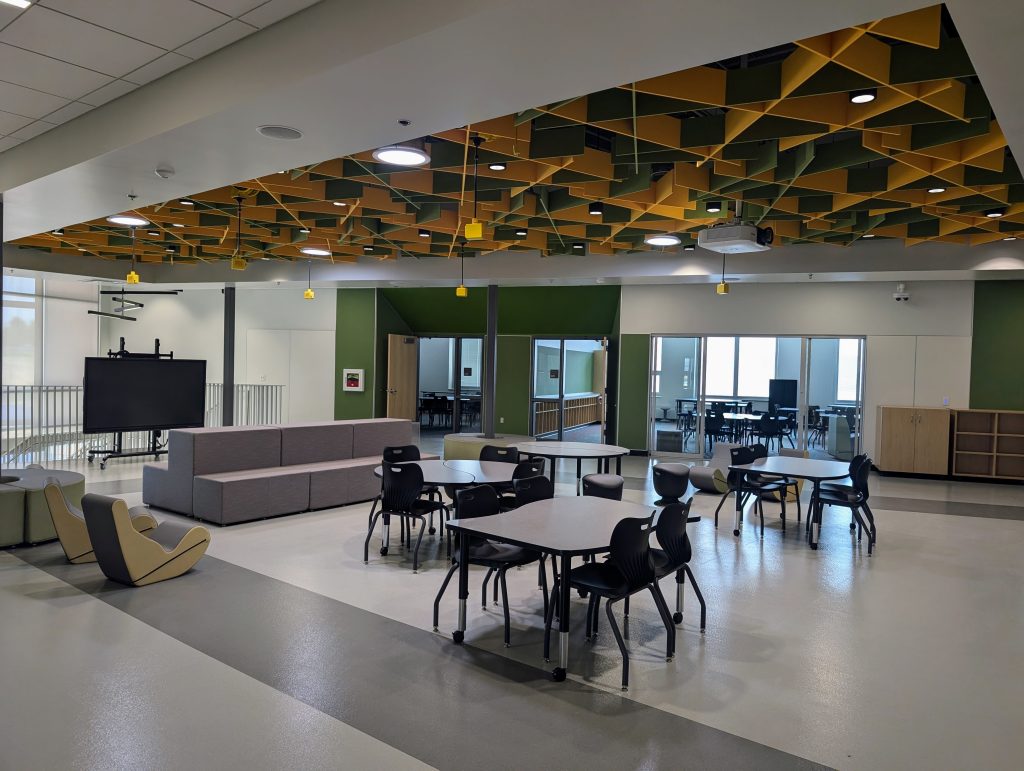
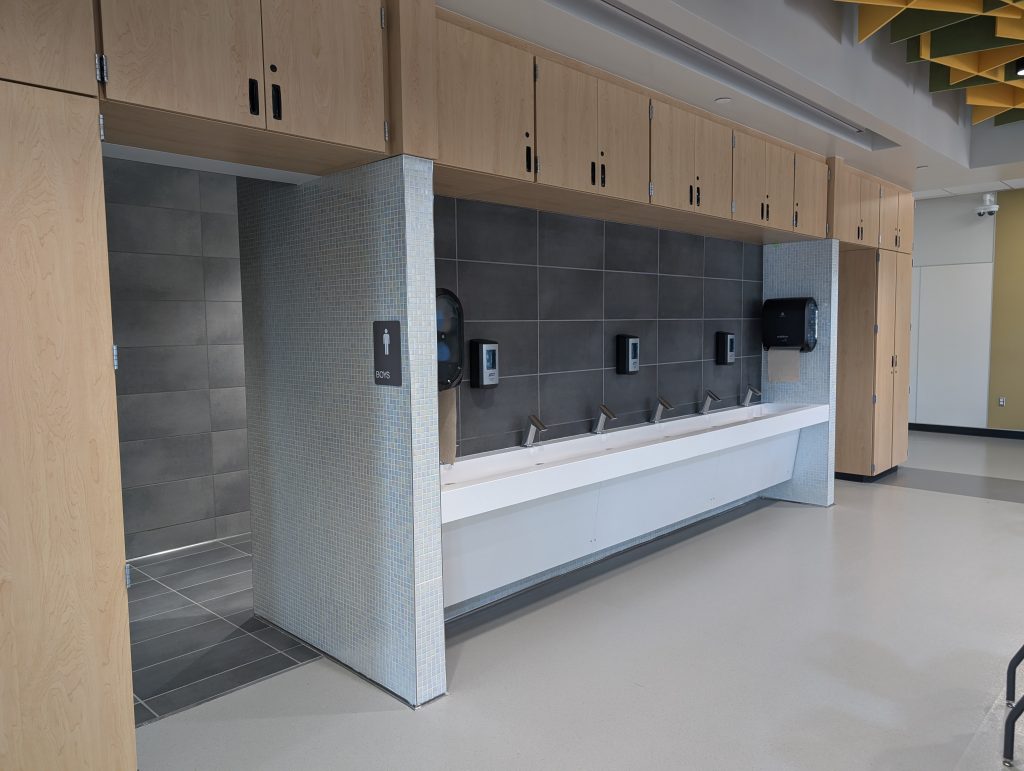
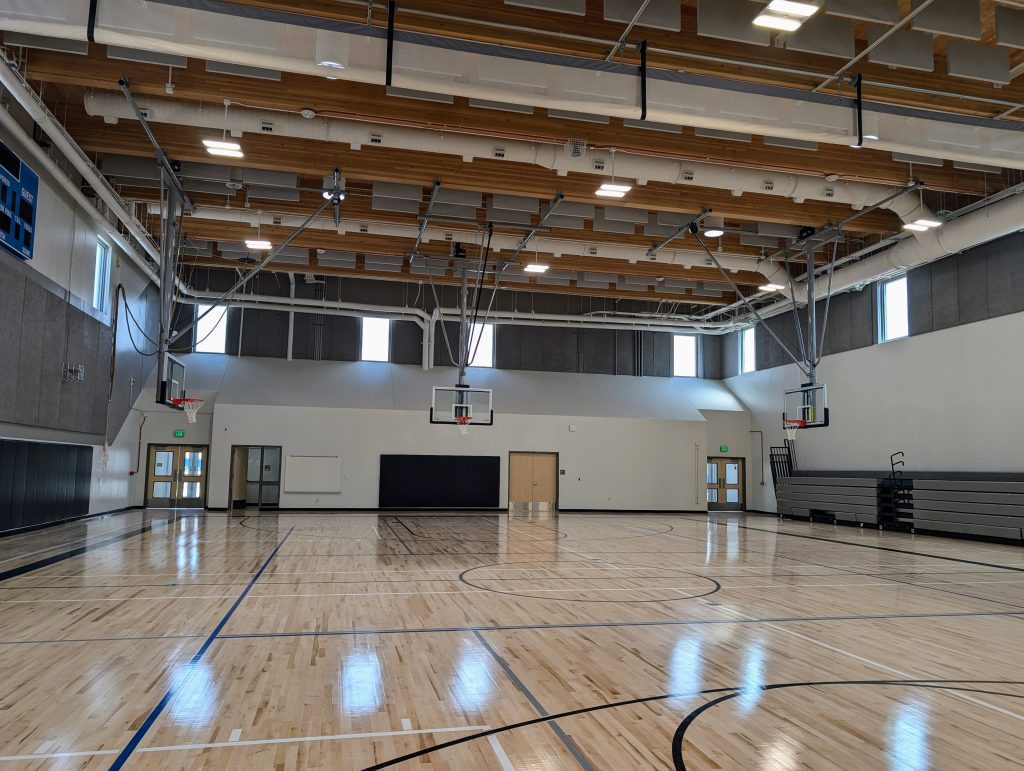
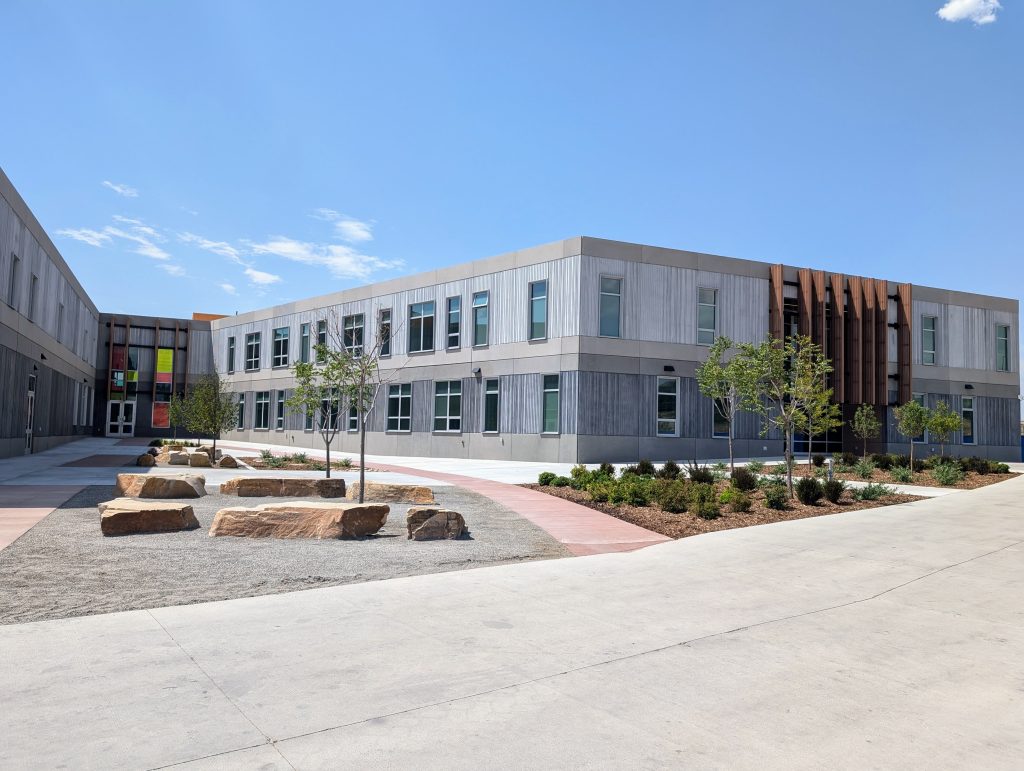
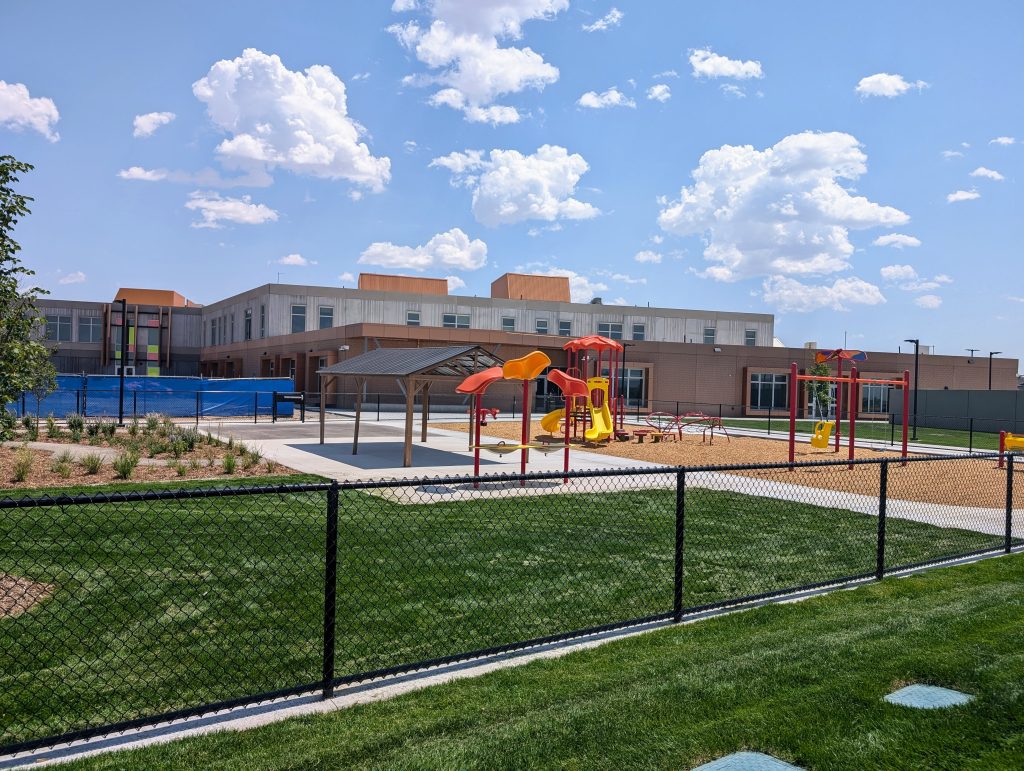
Denver Public Schools (DPS) set a new standard with the Responsive Arts & STEAM Academy (RASA), a ground-up, 120,000-square-foot school designed and built in two phases. Phase 1 opened in August 2024 for ECE through 5th grade, followed by Phase 2 in August 2025, expanding the school through 8th grade. From the start, the project team planned ahead—accounting for future mechanical loads, water heater capacity, and even sanitary sewer piping depth—ensuring a seamless expansion. DLR Group led the architectural design, with 360 Engineering providing mechanical and plumbing engineering and consulting expertise.

Energy Modeling and Mechanical Systems

The design team was challenged to create a highly energy-efficient building. Energy modeling was used to evaluate three mechanical system options:

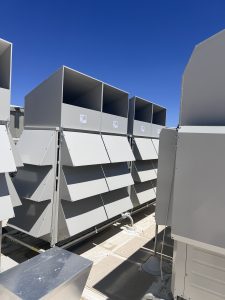
  1. Packaged Heat Pump Roof Top Units (RTUs) with downstream Variable Air Volume (VAV) boxes with electric zone heating
  2. A geothermal heat pump system
  3. Chilled beam cooling with radiant heating flooring

With 360 Engineering’s input and guidance, the team compared installation cost, energy efficiency (measured in Energy Use Intensity, or EUI, given as a measure of energy use per square foot per year), maintenance needs, and long-term operating costs. The VAV RTU system emerged as the best fit—offering strong efficiency, the lowest upfront cost, and familiarity for DPS’s facilities staff.

The system incorporates air-side economizers and energy recovery wheels to improve performance further, taking advantage of Colorado’s dry climate. Smart controls also monitor CO₂ levels in each space, adjusting outdoor air intake to strike the right balance between energy savings—less outdoor air to heat or cool—and indoor air quality, ensuring efficient operation while keeping classrooms filled with fresh air to support active, engaged learning.

All Electric

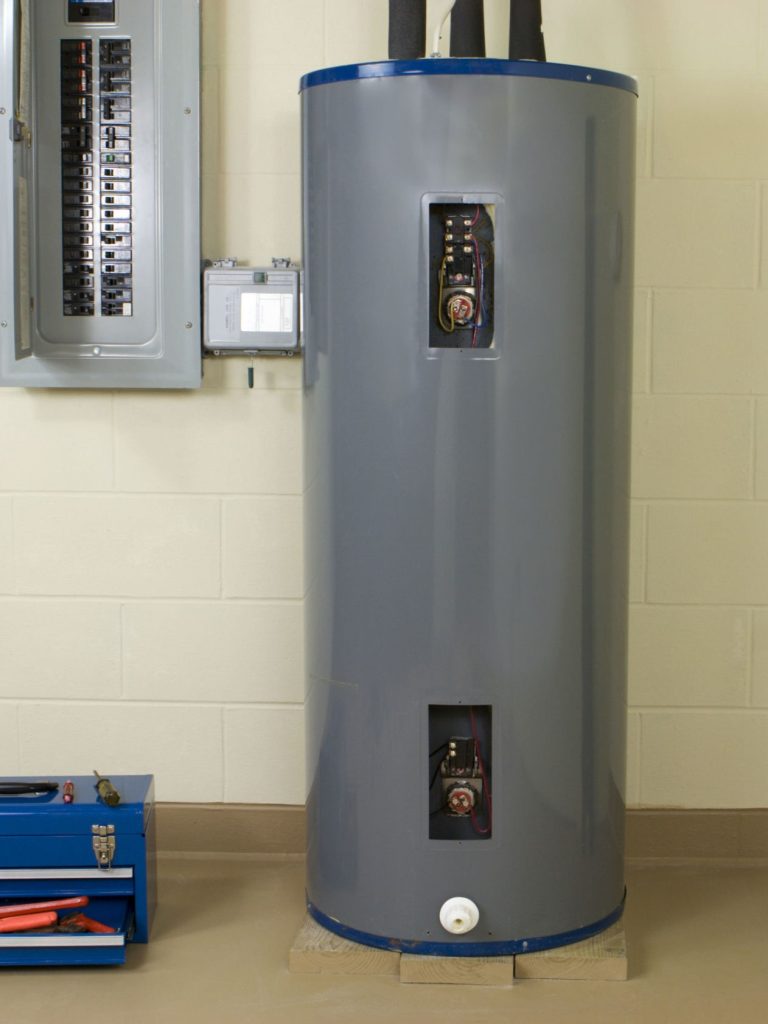
Designed with the future in mind, RASA is the district’s first all-electric school: heat pump technology powers the mechanical systems, domestic water heating is electric, and even the kitchen ranges and ovens are induction.

Now, more than a year after RASA’s grand opening, with the Phase 2 expansion substantially complete, early performance data is beginning to prove the success of the design and construction efforts. While initial energy use reflects commissioning, ongoing construction, and partial occupancy, adjusted metrics show the building’s EUI in the low 30s—right on target with original energy modeling and well below Denver’s K–12 benchmark of 48.1. RASA stands as a safe, energy-efficient learning environment, ready to support and inspire the next generation.

Contact us today to discover how an all-electric design can power your next project.

E-mail Stacey Richardson at srichardson@360eng.com to learn more.

Salt in the Air, Rust Everywhere: HVAC and Plumbing Design for Coastal Projects


The stakes are higher when designing HVAC and plumbing systems near the ocean. Salt-laden air, high humidity, and corrosive conditions can significantly reduce the lifespan and performance of mechanical equipment and fixtures. Whether you’re working on a marine research facility, a waterfront national park, or a retail store with water views, understanding how to protect your HVAC systems in these environments is essential.

Why Marine Environments Are So Challenging

Salt in the air accelerates corrosion, especially on exposed metal components like condenser coils, piping, and ductwork. Over time, this can lead to:

  • Reduced heat transfer efficiency
  • Increased maintenance costs
  • Shortened equipment lifespan
  • Equipment failure


HVAC Equipment Coil Protection

When you are near the ocean, protecting your condenser and/or evaporator coil is essential to ensuring the longevity of your equipment. Without this, corrosion can occur at your coils, reducing the equipment’s lifespan.

  • Location Matters:
    • Within 3–5 miles of the ocean: Your outdoor condenser coil should have a salt-spray rating that meets ASTM B117 standards.
    • Within 1 mile of the ocean: Both the condenser and evaporator coils should have a salt-spray rating that meets ASTM B117 standards.
  • This salt-spray coating can either be factory applied or applied by a third-party provider. This should be coordinated with the equipment manufacturer to ensure the final requirements can be reflected in your drawings.

Material Selection

Beyond coils, all exposed materials should be chosen for their resistance to corrosion:

  • Piping: Use corrosion-resistant materials or coatings such as PVC or type 316 Stainless steel.
  • Ductwork: Type 316 stainless steel may be necessary depending on the amount of exposure to salt-laden air.
  • Outdoor Fixtures: Hose bibbs, wall hydrants, and other plumbing fixtures on the exterior of the building should be marine-grade.
  • Drainage Systems: If saltwater is expected to enter drains (e.g., from rinsing equipment), ensure the drain materials are properly specified for this marine grade application.
  • Confirm if sand will be a concern in the space and if sand interceptors should be considered on certain drain lines.

Pro Tips for Marine HVAC Design

  • Consult with manufacturers early to confirm coating options and any performance derates.
  • Specify coatings clearly in your documentation—don’t assume they are standard.
  • Plan for maintenance: Regular inspections and cleaning are essential in salty environments, even with coatings.
  • Educate your clients about the importance of these upgrades. They may cost more upfront but save significantly in the long run.

Designing HVAC systems for marine environments isn’t just about resisting rust—it’s about ensuring long-term performance, reliability, and safety. By specifying the right coatings, materials, and installation practices, you can protect your systems from the harshest coastal conditions.

Working on a coastal project? We can help. Click below or email Stacey Richardson at srichardson@360eng.com to get started.

360 Engineering Announces Equity Partners


360 Engineering, a full-service mechanical engineering firm founded in 2003 by Denise Dihle and working on projects of all sizes in Colorado and across the U.S., has announced that the firm’s senior leadership team has joined Dihle as equity partners. The senior leadership team is comprised of Melissa Kisicki, CDFA, Stacey Richardson, CPSM, Spencer Rioux, PE, Brennen Guy, PE, and Lexie Zimmerman, PE. The move reflects 360 Engineering’s long-standing commitment to growing from within, ensuring continuity for the firm’s clients, and building a strong future grounded in shared vision and values.


“I established 360 Engineering as a firm that would be able to provide customized engineering solutions and personalized customer service to all our clients, and that will continue to be the case as this outstanding and highly respected team of professionals join me as equity partners,” said Dihle who has been recognized by industry organizations, peers and clients as a progressive leader in mechanical engineering, design and construction administration throughout her 30-plus year career. “These individuals have worked side by side with me and our entire team for years and promise to maintain the trust and results 360 Engineering has achieved with our clients. It’s an exciting time as we continue to look forward to delivering the same outstanding results on behalf of the companies and projects we represent.”


360 Engineering will maintain the firm’s SBE/MWBE (Small Business/Woman-Owned Business) status. Dihle will continue in her role as president and principal-in-charge.


The senior leadership team’s deeper investment in the firm after years of service signals not just confidence in where 360 Engineering is going, but a commitment to the people and partnerships that have been integral to the firm’s growth and success.


“Our clients’ experience with 360 Engineering remains unchanged and grounded in the same values, quality, and reliability they’ve always trusted,” continued Dihle.  “We look forward to continuing in our status as an award-winning, locally and nationally recognized Woman-Owned Small Business. We’re excited about what the future holds and deeply grateful for the continued trust of our clients and colleagues.”


Media:

Stacey Richardson

720-619-1524

srichardson@360eng.com

When the Air Gets Thick: Smart HVAC Design for Humid Climates


When it comes to HVAC design, humid climates present unique challenges that require thoughtful planning and precise execution. Whether you are working in coastal regions or cities with high summer humidity, understanding how to manage moisture is critical for comfort, efficiency, and building longevity. In this post, we’ll explore essential considerations for designing HVAC systems in humid environments.

Equipment Sizing

In humid climates, your cooling coil must do double duty—cooling the air and removing moisture. This means:

  • Psychrometric calculations are essential to size your cooling coil correctly.
  • The coil must reach saturation to allow condensation and effective dehumidification.
  • Right-sizing your equipment is essential. Oversizing equipment can lead to short cycling and poor humidity control.
  • Consider hot gas reheat if your DX system lacks staging capabilities.
  • Always ensure the building is positively pressurized to prevent humid air infiltration.

Air Distribution

Poor air distribution can lead to condensation and comfort issues. Keep these tips in mind:

  • Don’t supply air directly above exterior doors. Humid air can condense on the diffuser and drip on the occupant.
  • Avoid blowing cold air directly onto exterior glass, which can cause condensation.
  • Design diffusers with throw and velocity in mind to avoid drafts and ensure occupant comfort. 

Insulation

The location of insulation on the ductwork and piping systems shall be thoughtfully considered to avoid condensation and mold growth while balancing acoustic needs. The following should be considered in the equipment specifications:

  • Insulate any system (air or water) that operates below the space dew point temperature.
  • For ductwork:
    • Use external wrap for outside air ducts. Duct liner on outside air ductwork can absorb moisture and produce mold and mildew.
    • Avoid internal liner insulation unless needed for sound attenuation. If needed, limit it to the first 15 feet downstream of the noise-producing equipment.
    • If ductwork is exposed and aesthetics are key, consider using double-wall ductwork. Double-wall ductwork is more costly and should be considered in the project budget.
  • For piping:
    • Insulate all chilled water, condenser, domestic cold-water, and condensate lines.
    • Ensure there are no thermal breaks at supports or fittings.

Designing HVAC systems in humid climates requires more than just standard cooling calculations. From equipment sizing to insulation and material selection, every detail matters when moisture is in play.

By following these best practices, you can ensure your systems perform reliably, maintain occupant comfort, and withstand the challenges of high humidity.

Dealing with a high-humidity challenge? We would love to help. Contact us to start the conversation by clicking below or e-mail Stacey Richardson at srichardson@360eng.com.

Chiller System Upgrades: What to Know Before the Summer Heat Hits


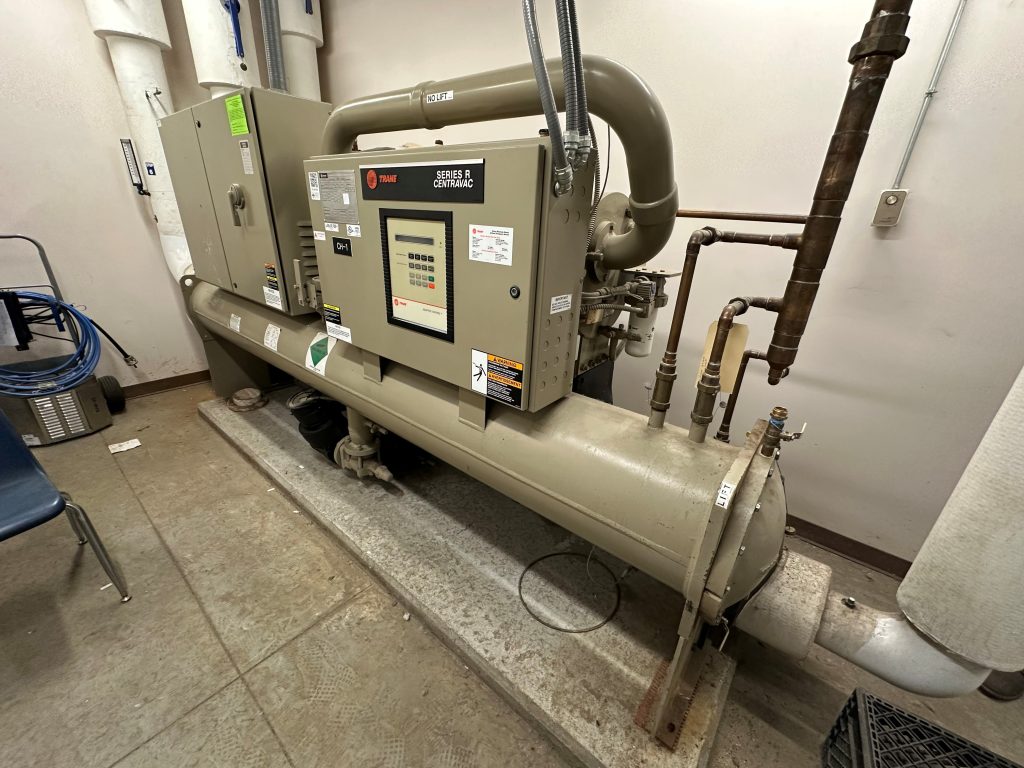
As summer comes into full swing and temperatures begin to climb, commercial and industrial facilities face increasing pressure to ensure their HVAC systems are operating at peak performance. One of the most critical components in large-scale cooling systems is the chiller. Whether you’re managing a hospital, data center, office complex, or manufacturing plant, upgrading your chiller system before the summer heat hits can make a significant difference in energy efficiency, occupant comfort, and operational reliability.

Here’s what you need to know before investing in a chiller system upgrade.

1. Assess Current System Performance

Before considering an upgrade, conduct a thorough performance assessment of your existing chiller system. Look for signs of inefficiency such as:

    • Rising energy bills

    • Inconsistent cooling

    • Frequent maintenance issues

    • Equipment nearing or past its expected service life

Modern chillers are significantly more efficient than those installed even a decade ago. If your system is more than 15 years old, an upgrade could reduce energy consumption significantly.


2. Understand Your Cooling Load Requirements

Chiller systems should be sized based on actual cooling load demands, not outdated or estimated figures. Consider the actual occupancy and usage of your building, as well as any other facility upgrades that may have been implemented previously (such as window replacement, improved insulation, even office equipment moderniziations). Over- or under-sizing can lead to inefficiencies, increased wear and tear, and higher operational costs. A professional load analysis will help determine the optimal capacity and configuration for your facility’s current and future needs.


3. Explore Energy-Efficient Technologies

Today’s chiller systems come equipped with advanced technologies that offer superior performance and energy savings:

    • Variable Speed Drives (VSDs): Adjust compressor speed based on load, reducing energy use during partial load conditions.

    • Magnetic Bearing Compressors: Eliminate oil and reduce mechanical friction, improving efficiency and reliability. These systems typically allow for significantly greater turndown at part-load conditions as well—that is, the chiller can operate efficiently at reduced capacity, conditions at which other types of chillers would need to shut down entirely to protect their internal refrigeration components!

    • Free Cooling Options: Use ambient air or water when conditions allow, bypassing the compressors (i.e. the primary energy users in the cooling system) entirely to save energy.

Incorporating these technologies can also help your facility qualify for utility rebates and sustainability certifications like LEED O+M.


4. Consider System Integration and Controls

Upgrading your chiller is only part of the equation. Integrating it with a modern Building Automation System (BAS) allows for real-time monitoring, predictive maintenance, and optimized performance. Smart controls can adjust chiller operation based on occupancy, weather forecasts, and energy pricing, further enhancing efficiency.


5. Plan for Downtime and Installation

Chiller upgrades can be complex and may require temporary system shutdowns. Planning ahead is crucial to minimize disruption. 360 can help building owners navigate these challenges, working with vendors, contractors, and facility staff to:

    • Schedule installation during off-peak hours or cooler months

    • Coordinate with other building systems

    • Ensure proper commissioning and testing

A well-executed upgrade plan ensures a smooth transition and long-term performance benefits.


6. Evaluate Lifecycle Costs, Not Just Initial Price

While upfront costs are important, the total cost of ownership—including energy use, maintenance, and lifespan—should guide your decision. A slightly more expensive chiller with higher efficiency and lower maintenance needs can pay for itself in just a few years.


7. Partner with the Right Engineering Firm

Choosing the right HVAC design engineering partner is key to a successful chiller upgrade. 360 Engineering is a firm with:

    • Proven experience in chiller system design and retrofits

    • Knowledge of local codes and energy standards

    • A track record of delivering energy-efficient, cost-effective solutions


Final Thoughts

Upgrading your chiller system before the summer heat arrives isn’t just a smart move—it’s a strategic investment in your facility’s performance, sustainability, and bottom line. With the right planning and expertise, you can ensure your building stays cool, efficient, and resilient all season long.

Need help evaluating your chiller system? Contact our team of HVAC design experts today to schedule a consultation.

Breathe Easy: Why Energy Recovery Ventilators are the Unsung Heroes of Modern Buildings


In today’s world of high-performance buildings and sustainable design, one technology is quietly transforming how we think about indoor air quality and energy efficiency: the Energy Recovery Ventilator (ERV).

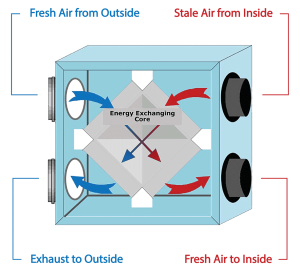
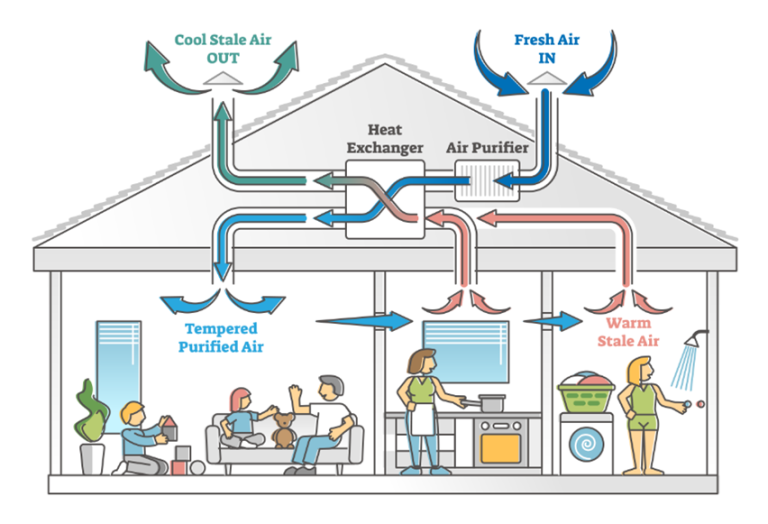
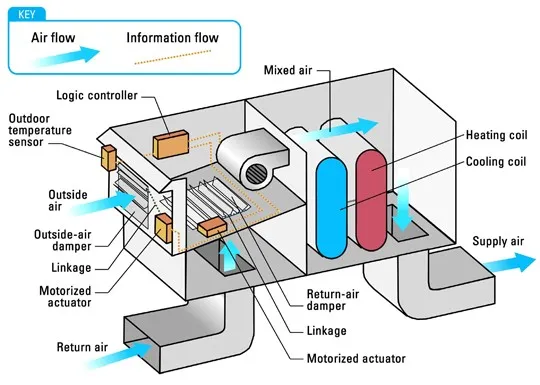
At its core, an ERV is a smart system that captures the energy from outgoing stale air and uses it to condition incoming fresh air. This process not only reduces the load on heating and cooling systems but also ensures a consistent flow of clean, filtered air throughout the building, critical for both comfort and occupant health.

Image Credit: greensavers.com

So why are more engineers, architects, and building owners turning to ERVs?

  • Energy Efficiency: ERVs can recover up to 70–80% of the energy from exhaust air, leading to significant reductions in HVAC energy use.
  • Indoor Air Quality: In a time where indoor air quality is under the microscope, ERVs provide a continuous supply of fresh, filtered air—without the penalty of higher energy bills.
  • Code Compliance: As building codes and green certifications push for better ventilation and lower energy footprints, ERVs are becoming a go-to solution to meet both requirements simultaneously.
Image Credit: 2050-materials.com

Whether it’s a high-rise office, school, hospital, or even a multi-family residence, integrating an ERV into the mechanical design can make a measurable difference in performance and sustainability.

At 360 Engineering, we specialize in designing HVAC systems that work smarter—and ERVs are one of the most effective tools in our playbook.

Want to learn more about how ERVs can improve your building project? Reach out or follow us for more insights into engineering innovation that breathes life into buildings.

Innovating the Future: NREL’s New State-of-the-Art Control Facility at the Flatirons Campus


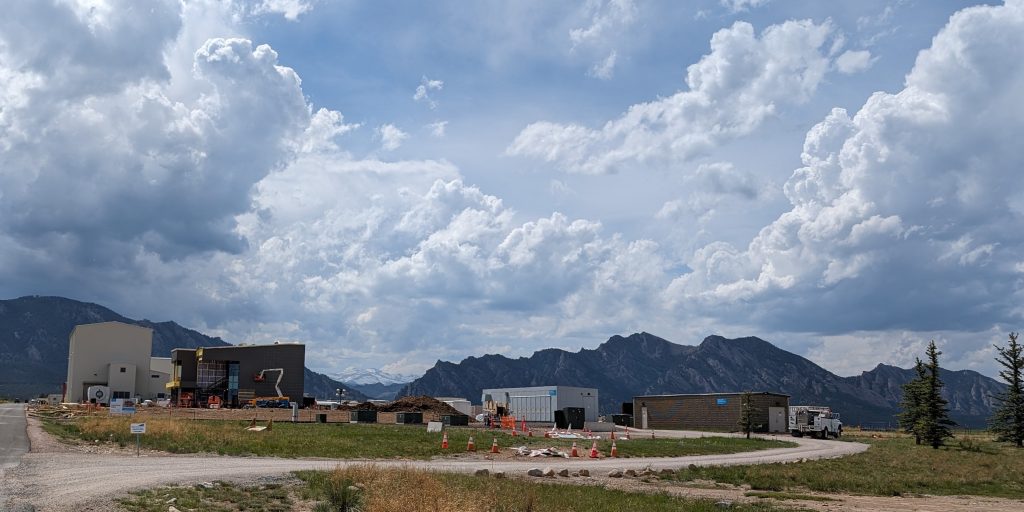
The National Renewable Energy Laboratory (NREL) is a leading research facility on clean energy and alternative fuel sources. This year, the Flatirons Campus and Wind Facility are completing their first ground-up building construction in several years, led by the HDR team. The new state-of-the-art building will act as the central control facility for all research efforts on the Flatirons Campus.

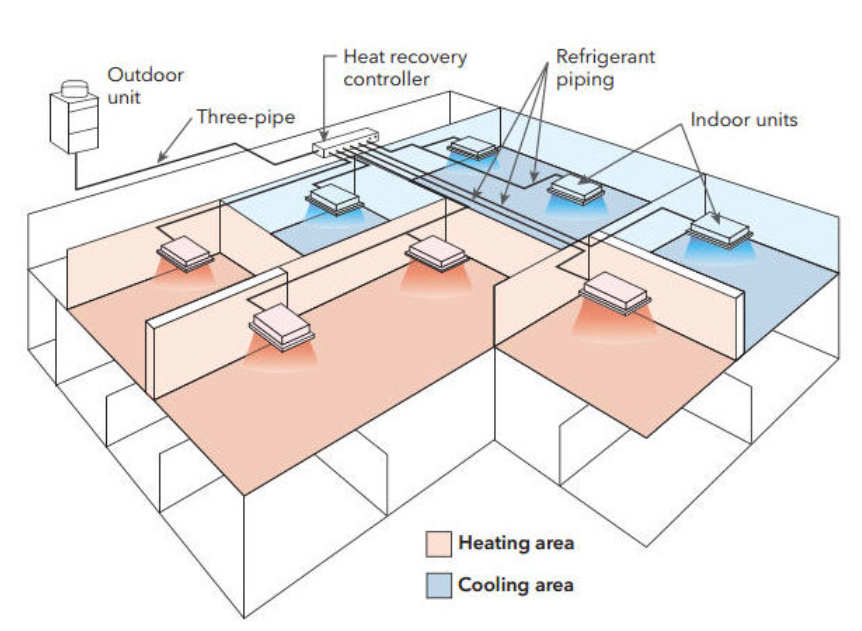
Modernized building construction requires a modernized mechanical and plumbing system to complement the building design. During the early phases of design, five (5) different mechanical systems were considered, with a wide range of factors including ease of maintenance, energy efficiency, and utilization of heating and cooling utilities. Ultimately, after energy modeling, lead time considerations, and cost considerations, NREL opted to proceed with the first Variable Refrigerant Flow (VRF) mechanical system on their Flatirons Campus.

The VRF system includes a packaged heat pump Dedicated Outdoor Air Unit (DOAS) with a heat recovery wheel for low-energy preconditioning of the building. The DOAS provides ventilation air to each indoor fan coil unit, easily complying with code requirements for the varied room types within the building. The building hosts conference spaces, electronics labs, a data center, and general office space.

The control facility was optimized to maximize floor space, presenting the unique challenges of configuring mechanical and plumbing systems in the limited plenum space. The team utilized REVIT during design to model systems beyond the 2D of CAD and capture any constructability conflicts early on.

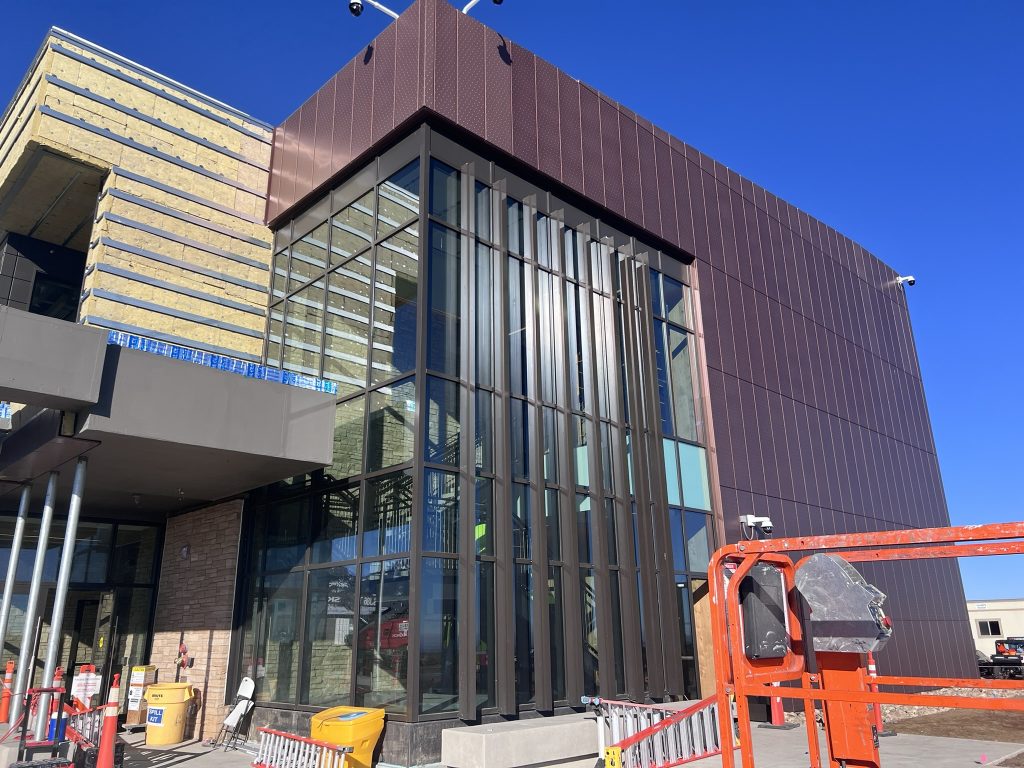
The building is nearing the end of construction and the final stages of mechanical commissioning, with an occupancy slated for April. The unique mechanical and plumbing integration of exposed versus concealed aspects balances with the architectural aesthetics to create a truly beautiful building that is both pretty to look at and functions as a high-tech research facility. It’s great when these two design objectives find a way to cooperate!